
David Meier · 19 September 2026
Noveto Ventures Expanding Educational Tools and Medical Access Across Remote Communities
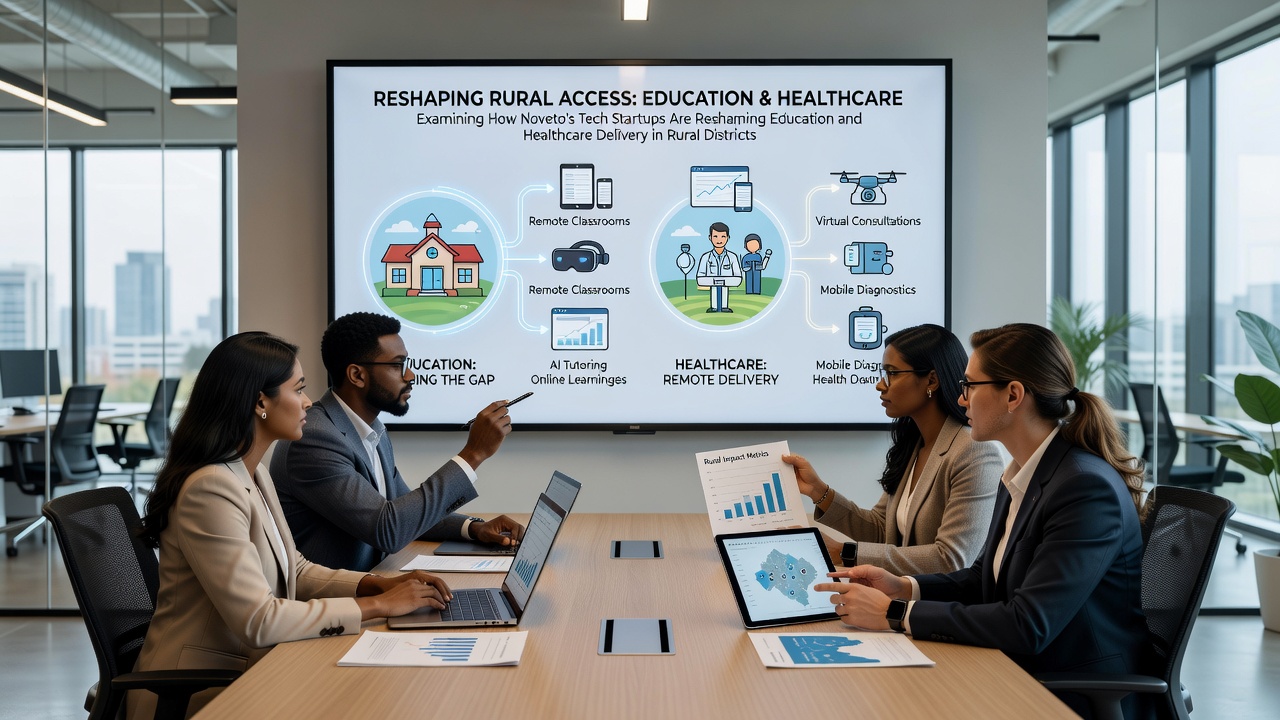
Noveto startups have introduced digital platforms that connect rural students with specialized teachers while delivering remote diagnostic services to isolated clinics, and these efforts build on existing infrastructure upgrades that began rolling out in early 2025. Data from regional health ministries shows increased consultation rates in districts where connectivity previously limited care options, whereas education departments report higher enrollment in virtual classrooms serving areas with teacher shortages. Observers note that the combination of adaptive learning software and portable diagnostic devices creates pathways for consistent service delivery, yet implementation varies by local network quality and community training levels.
Education Delivery Through Adaptive Platforms
Startups under the Noveto umbrella have deployed cloud-based systems that adjust lesson pacing according to individual progress data, and these tools integrate with existing school networks in districts across multiple continents. Researchers at institutions tracking rural outcomes have documented improved literacy metrics in pilot regions, while government reports from Australia highlight similar gains when satellite links support consistent access. Teachers receive dashboards that flag learning gaps early, allowing targeted interventions without requiring additional staff travel, but the systems depend on reliable power supplies that some areas still address through supplemental generators.
Case examples include programs launched in partnership with provincial authorities in Canada, where students in northern territories now access advanced math modules previously unavailable locally, and figures from the Canadian Rural Education Initiative indicate participation rates climbing steadily through mid-2026. What's interesting is how these platforms incorporate multilingual interfaces that match community demographics, reducing barriers that once kept families from engaging with digital resources. Partnerships with local cooperatives have further extended device lending libraries, ensuring hardware reaches households without personal computers.
Healthcare Innovations Reaching Isolated Populations
Portable ultrasound units paired with AI-assisted analysis now operate in clinics that previously referred patients to distant hospitals, and data compiled by the Australian Institute of Health and Welfare tracks reduced travel times for routine screenings in participating rural zones. Noveto-developed applications transmit vital signs to specialists who review cases asynchronously, which shortens wait periods for follow-up advice while maintaining compliance with privacy standards set by regional regulators. Those who've studied these deployments observe that integration with electronic health records allows seamless updates, although initial setup requires on-site training sessions that continue into September 2026 as new facilities come online.
One documented project in the United States involved equipping mobile units that serve farming communities, and reports from the U.S. Department of Agriculture note expanded preventive care access in counties with limited specialists. The technology supports real-time video links during emergencies, connecting on-call physicians to paramedics who stabilize patients before transport, yet success hinges on backup communication channels when primary signals weaken during weather events. Community health workers trained through Noveto programs now manage initial screenings, freeing physicians for complex cases that require their direct input.
Combined Impact on Rural Infrastructure
Integrated solutions from Noveto startups link education and health modules through shared data frameworks, enabling schools to coordinate with clinics on student wellness tracking while health providers reference learning accommodations for chronic conditions. Studies conducted by European research consortia have mapped these overlaps, revealing patterns where improved digital access correlates with both attendance gains and lower hospitalization rates in comparable districts. Funding models blend public grants with startup investment, creating sustainable loops that support maintenance and updates without repeated external appeals. But here's the thing: scaling remains uneven because terrain and population density affect the cost of extending fiber or 5G coverage to every settlement.
Additional examples surface in Asian rural networks where Noveto sensors monitor environmental factors affecting both crop education programs and respiratory health alerts, and cross-sector dashboards consolidate alerts for administrators. Observers point to September 2026 milestones where several districts plan joint education-health fairs that demonstrate these linked systems to residents. Such events build familiarity and gather feedback that refines algorithms over subsequent quarters.
Future Trajectories and Ongoing Adjustments
Continued refinement of these technologies incorporates feedback loops from users on the ground, allowing updates that address connectivity drops or interface complexities specific to rural workflows. Government agencies in varied regions continue to evaluate outcomes through standardized metrics, providing benchmarks that guide further Noveto iterations. The reality is that sustained progress depends on coordinated policy support that aligns broadband expansion with device distribution and training budgets. Those monitoring the sector expect additional integrations with local agricultural data to emerge, tying health and learning initiatives even more closely to community economic needs.
Conclusion
Noveto's approach to rural challenges combines targeted hardware with software that adapts to local conditions, producing measurable shifts in how education and healthcare reach underserved populations. Ongoing data collection from multiple countries will clarify long-term effects while informing refinements that keep pace with evolving infrastructure. The pattern shows technology acting as an extender rather than a replacement for on-site personnel, and this balance continues to shape deployment strategies through the remainder of the decade.