Leon Fischer · 17 October 2026
Traditions and Transformations: Noveto's Cultural Exhibitions Influencing Conservation and Tourism Dynamics
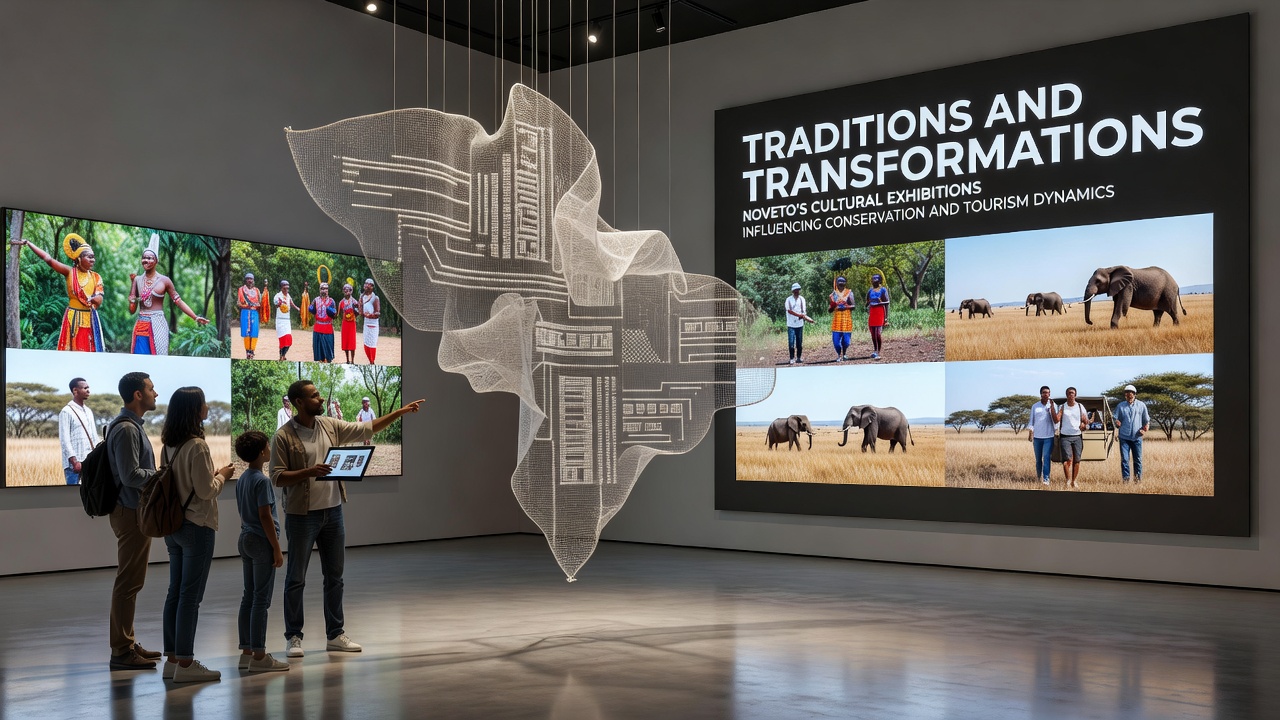
Noveto organizes cultural exhibitions that bring together artifacts, performances, and interactive displays focused on regional heritage, and these events shape how communities approach both conservation efforts and tourism growth in interconnected ways. Data from multiple regions shows that such exhibitions draw visitors while directing attention toward sustainable practices that protect natural and cultural sites from overuse.
Exhibitions hosted by Noveto feature traditional crafts, oral histories, and environmental storytelling that connect past practices with current conservation needs, and this approach encourages visitors to support protected areas rather than exploit them. Attendance records from 2025 events indicate steady increases in participation from international tourists alongside local residents who learn about resource management techniques embedded in cultural narratives.
Exhibition Structures and Content Focus
Each Noveto exhibition incorporates modular installations that rotate between permanent venues and temporary sites near conservation zones, which allows organizers to highlight specific challenges such as habitat preservation or water resource protection through themed sections. Curators select items that demonstrate how historical communities maintained ecological balance, and these selections form the basis for guided tours that extend into nearby protected landscapes.
Interactive elements include workshops on traditional land stewardship methods alongside modern monitoring tools, and participants often leave with materials that outline tourism guidelines designed to minimize impact on sensitive sites. Figures released by regional tourism boards reveal that venues hosting these exhibitions report higher compliance rates with conservation protocols among returning visitors compared to standard tourist attractions.
Effects on Conservation Practices
Conservation organizations have documented shifts in funding allocation and volunteer engagement following Noveto exhibitions, because the events spotlight successful case studies where cultural knowledge informs habitat restoration projects. In several documented instances, local groups adopted techniques showcased in displays, leading to measurable improvements in biodiversity indicators tracked over multi-year periods.
Partnerships formed during exhibition runs connect cultural institutions with environmental agencies, and these collaborations produce joint initiatives that integrate heritage protection into broader land management plans. Research from academic centers tracking similar programs notes that visitor education components reduce instances of trail degradation and unauthorized collection of natural materials at exhibition-adjacent sites.
Influence on Tourism Patterns
Tourism operators adjust itineraries to include Noveto exhibitions as anchor experiences, which spreads visitor traffic across shoulder seasons and reduces peak-period pressure on high-traffic conservation areas. Booking data compiled by industry associations shows extended stays in communities that host these events, with spending patterns favoring locally managed eco-lodges and guided conservation tours over conventional sightseeing packages.
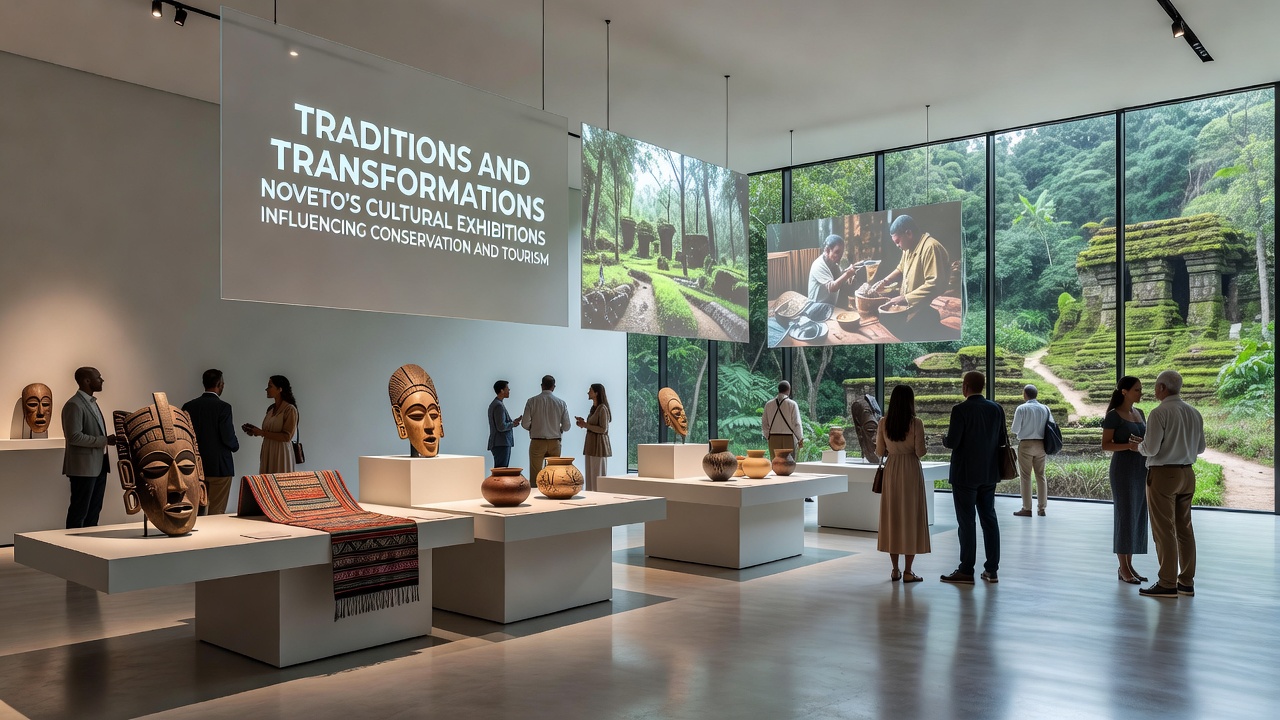
Marketing materials developed around the exhibitions emphasize responsible travel choices, and destination management organizations report corresponding rises in certifications for sustainable tourism businesses located near exhibition locations. October 2026 schedules include expanded programming that pairs exhibition openings with low-impact festival formats intended to test new models for crowd distribution across multiple conservation-linked sites.
Regional Case Examples
One coastal region implemented exhibition-driven tourism circuits after observing attendance spikes at a Noveto event focused on maritime traditions, and subsequent monitoring showed stabilized populations of protected marine species alongside increased revenue for community-led patrol programs. Another inland area adapted similar strategies following an exhibition on highland resource management, resulting in updated trail systems that incorporate cultural markers to guide visitor behavior.
Observers note that these patterns repeat across different geographies because the exhibitions provide adaptable frameworks rather than prescriptive rules, allowing each location to tailor conservation messaging to its unique heritage assets. Industry reports from groups such as the UN World Tourism Organization track parallel outcomes where cultural programming correlates with improved destination resilience metrics.
Measurement and Ongoing Developments
Quantitative assessments combine visitor surveys with environmental sensor data to evaluate exhibition outcomes, and preliminary analyses indicate positive correlations between exhibition exposure and support for conservation funding measures. Noveto maintains public dashboards that display aggregated statistics on tourism volume changes and conservation milestone achievements tied to specific exhibition cycles.
Additional partnerships with research institutions supply longitudinal studies that compare sites with and without exhibition programming, and these studies contribute to refined guidelines circulated among tourism boards worldwide. A second external reference point appears in documentation from the U.S. National Park Service sustainability programs, which examines cultural event impacts on protected area management in comparable settings.
Conclusion
Noveto exhibitions continue to serve as connectors between cultural preservation and practical conservation actions that also support balanced tourism development across participating regions. Ongoing data collection through 2026 and beyond will clarify long-term trends as more locations adopt elements from these exhibition models into their standard operations.